Add Row
Add Element
cropper
update
Travel 2Go2
update
Add Element
  • Home
  • Categories
    • Calgary
    • Events
    • Real Estate
    • Home improvement
    • City News
    • Discover
    • Activities
    • Restaurant
    • Sports
    • Local Deals
    • Promotions
June 25.2025
3 Minutes Read

Trump's Open Stance on Sending Ukraine More Patriot Missiles: Understanding the Risks and Benefits

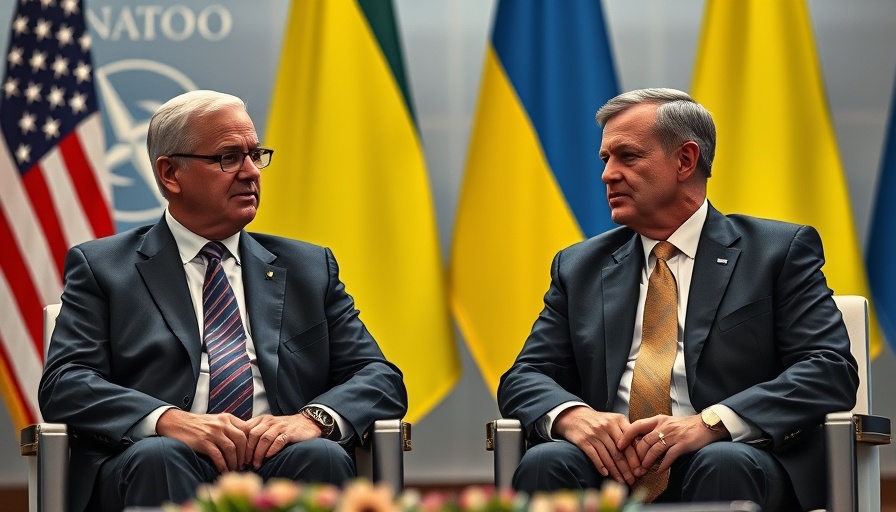
Officials discussing at NATO summit backdrop.

Trump's Potential Military Support for Ukraine: What It Means

After a closed-door discussion with Ukrainian President Volodymyr Zelenskyy at the NATO Summit, President Donald Trump hinted at the prospect of providing Ukraine with additional military aid, including Patriot air-defense missiles. At a press conference in The Hague, he expressed frustration with Russian President Vladimir Putin, indicating a renewed commitment to support Ukraine's defense against ongoing aggression. "They do want to have the anti-missile missiles," Trump stated, suggesting a possible return to supplying Ukraine with vital defense systems to bolster its position against Russia.

What Are Patriot Missiles and Why Are They Important?

Patriot missiles are sophisticated air-defense systems developed by the United States, designed to intercept incoming missiles and other airborne threats. Their deployment in Ukraine could significantly enhance the country's defense capabilities, especially as it continues to face escalating military pressures from Russia. Zelenskyy has underscored the necessity of such systems, emphasizing that they are crucial for protecting Ukrainian cities and infrastructure.

The Changing Dynamics of U.S.-Ukraine Relations

This meeting marked a significant shift in the U.S.-Ukraine relationship, which has seen various fluctuations over the years. Trump’s remarks about the positive tone of his conversation with Zelenskyy reflect a desire to stabilize relations and maintain support for Ukraine. The Ukrainian President expressed intentions to purchase more U.S. weapons explicitly designed to strengthen Ukraine's defenses, suggesting a mutual readiness to collaborate further.

A Closer Look at U.S. Military Aid

This openness by Trump to provide more aid comes at a critical time. Earlier this month, Zelenskyy communicated concerns to ABC News that the U.S. had redirected previously pledged anti-drone weapon systems to conflicts in the Middle East. Such actions have raised alarms in Ukraine, where military support is essential for national security. Trump’s indication that he would consider sending Patriot missiles may provide some reassurance amidst uncertainties surrounding U.S. aid commitments.

Future Implications of Military Support for Ukraine

The implications of increased military support from the U.S. are vast, not only for Ukraine but also for global security dynamics. Analysts suggest that bolstering Ukraine's defense could deter further aggression from Russia, potentially stabilizing the region. However, it also raises questions about escalating tensions between the U.S. and Russia, as each nation watches the other's moves carefully.

Public Sentiment on Military Aid

As discussions about military aid intensify, public opinion remains polarized. Many Americans support aiding Ukraine as a countermeasure against autocratic aggression, while others worry about deepening U.S. involvement in international conflicts. Understanding the public's feelings is vital for policymakers as they navigate the complexities of international relations.

Your Takeaway on U.S. Support for Ukraine

Grappling with the balance between providing necessary support to Ukraine while ensuring that the U.S. does not become overly entangled in foreign conflicts is an ongoing challenge for today’s leadership. This latest interaction at the NATO Summit evokes discussions on the importance of international alliances and the commitments that come with them. Staying informed about these developments and understanding their broader implications can empower citizens to participate in important national conversations.

As we move forward, one key takeaway is the necessity of robust support for allies, particularly as global security landscapes evolve. Every citizen can engage in this dialogue, encouraging discussions surrounding the future of international relations and military aid.

Discover

12 Views

0 Comments

Write A Comment

*
*
Please complete the captcha to submit your comment.
Related Posts All Posts
04.08.2026

Ultimate Guide to Finding the Best Carbonara for Your Pasta Date in Toronto

Update Discover the Best Carbonara: A Culinary Journey in Toronto When it comes to a romantic evening out, few settings can rival the intimate experience of a pasta date. The charm of sharing a delicious meal, amid the lively ambiance of Toronto's restaurants, is simply irresistible. Among the array of Italian dishes, carbonara stands out for its rich flavors and comforting appeal. Whether you prefer a traditional version or a modern twist, Toronto hosts numerous spots that deliver memorable carbonara experiences. Here’s where to create culinary memories with your special someone. 1. Trattoria Taverniti: Tradition in Every Bite Located at 591 College Street, Trattoria Taverniti provides a cozy Italian dining experience rooted in tradition. Here, the carbonara is an homage to classic recipes, emphasizing quality ingredients and robust flavors. This warm setting is perfect for couples who want to savor every moment, making the dining experience as rich as the dish itself. 2. Piano Piano: Elevating the Carbonara Experience Piano Piano, with several locations including Midtown and Harbord Street, offers a stylish and playful take on Italian dining. The restaurant’s carbonara artfully balances creamy textures with traditional flavors, making it an excellent choice for those looking for a more upscale feel during their pasta date. The visually appealing plating enhances the overall dining experience, ensuring that love is visibly served on the plate as well. 3. Enoteca Sociale: A Taste of Authenticity Known for its Roman-style cuisine, Enoteca Sociale at 1288 Dundas Street West is a haven for authentic Italian dining. The carbonara here remains faithful to its roots, with each ingredient carefully chosen to provide a genuine taste of Italy. This intimate venue is tailored for couples seeking a quieter evening where they can connect over shared plates and simple yet exquisite flavors. 4. Cafe Oro Di Napoli: Casual Yet Charming At 75 Jarvis Street, Cafe Oro Di Napoli brings a relaxed vibe to Italian dining without compromising on authenticity. The carbonara here is hearty and comforting, with generous portions that are perfect for sharing. This friendly atmosphere accommodates couples who prefer an easygoing date night, where the focus is on good food and good company. 5. STOCK T.C: Modern Italian Flair Located on Yonge Street, STOCK T.C offers a fresh take on Italian dining with its modern twist on classic dishes. The carbonara is polished and refined, perfect for those nights when you want a bit more elegance on your platter. This restaurant strikes the right balance between a stylish dining experience and the comforting essence of traditional Italian cuisine, making it ideal for a memorable date. 6. Mercatto: A Lively Italian Affair With multiple locations across Toronto, Mercatto stands out for its vibrant atmosphere and dedication to classic Italian flavors. The carbonara resonates with diners looking for a satisfying meal in a lively setting, making it a go-to spot for a fun yet romantic evening. 7. Tulia Osteria: Thoughtful Dining in a Cozy Atmosphere Tucked away at 1402 Queen Street East, Tulia Osteria is a cozy enclave that invites couples to enjoy a relaxing evening. The carbonara is thoughtfully executed, showcasing a commitment to quality in every dish. This restaurant is perfect for those seeking a peaceful environment where they can engage in meaningful conversation over a plate of well-crafted Italian fare. 8. Tiny Market Co: A Twist of Innovation Situated at 938 Bathurst St, Tiny Market Co offers a unique dining experience with rotating weekly pasta specials. This innovative approach brings a fresh perspective to the traditional carbonara, appealing to adventurous couples looking to explore new flavors while enjoying a laid-back atmosphere. Creating the Perfect Pasta Date Choosing the right restaurant for a carbonara feast can transform a simple dinner into a memorable occasion. With each of these spots offering a unique take on this classic dish, Toronto provides ample opportunities to indulge in delectable flavors while adding romance to the evening. Whether it’s a bustling bistro or a quaint osteria, the right setting, complemented by a shared plate of carbonara, can set the stage for an unforgettable night. Make Reservations for a Romantic Evening Ready to embark on a delightful culinary journey? Each of these restaurants presents a cozy, intimate setting perfect for parents eager to enjoy a night out or couples seeking to reignite romance. Don’t forget to make reservations to ensure that your much-anticipated pasta date is smooth and enjoyable. Immerse yourself in Toronto's vibrant food scene and let the flavors speak for themselves!

04.06.2026

Ongoing Tensions in the Strait of Hormuz: Iran’s Assurance of a Permanent Shift

Update Strait of Hormuz: The Global CrucibleThe Strait of Hormuz, a narrow passage connecting the Persian Gulf to the Arabian Sea, has long been a strategic chokepoint for global oil transport, making it a focal point of geopolitical tension. As reports emerge of ongoing Iranian missile and drone fire across the region, the Iranian Revolutionary Guard Corps (IRGC) asserts that the strait will 'never' return to its pre-war state. This statement comes amid escalating military actions following President Trump's announcement of 'major combat operations' against Iran—a declaration signaling a significant shift in U.S. foreign policy.The Underlying StakesWith approximately 20% of the world's oil passing through the Strait, control over this maritime artery has far-reaching implications. Israeli Defense Minister Israel Katz recently reported that attacks on Iranian petrochemical infrastructure have severely impaired Iran's export capabilities. Katz stated that facilities crucial for Iran's petrochemical exports had been rendered non-operational, which places additional pressure on the already tenuous supply chains and global oil prices.Human Impact: Casualties and ConsequencesThe human toll of these conflicts extends beyond the battlefield. A recent Israeli strike led to the tragic deaths of two paramedics in southern Lebanon, a somber reminder of the war’s toll on civilians and healthcare workers. The Lebanese Ministry of Public Health reported that more than 54 healthcare professionals have lost their lives due to targeted strikes since conflicts reignited, emphasizing the urgent need for humanitarian considerations amidst military operations.Ceasefire Proposals: A Path Forward?In the midst of these escalating tensions, White House officials have hinted at a draft proposal for a potential 45-day ceasefire designed to reopen access to the Strait of Hormuz. However, the Iranian response has thus far been dismissive, stating the U.S. plan is 'not acceptable.' This tug-of-war raises critical questions about negotiation strategies and the prospects for lasting peace in the region.Implications for International RelationsThe dynamics of U.S.-Iran relations are fraught with complexities. Trump's combative approach to Iran contrasts starkly with the previous administration's negotiations. As military actions escalate, the potential for miscalculations and unforeseen consequences increases. Global leaders must tread carefully, balancing the need for national security with the realities of international diplomacy.Looking Ahead: What’s Next?The future remains uncertain as both sides weigh their options. Strategic analysts warn that further escalation could lead to wider regional conflicts, particularly if Iranian forces choose to retaliate against U.S. interests in neighboring regions. As the situation continues to evolve, the global community watches closely, recognizing that decisions made in the coming days and weeks will resonate well beyond the Middle East.Take Action: Stay InformedThe unfolding situation in the Middle East is dynamic and complex, with implications that affect not only regional actors but global stability as well. To stay abreast of significant developments and analysis, consider tuning into primetime news coverage and following updates from reliable sources.

04.04.2026

Exploring American Military Dominance: What Happens Next After Recent Statements?

Update A Turning Point: Military Power and Political Rhetoric In recent discussions surrounding military strategy, a notable incident transpired involving President Trump and Secretary of Defense Pete Hegseth. Their remarks during a military briefing resonated with promises of heightened American dominance while hinting at dangerous potential uses of the military domestically. This dynamic reflects the concerning trajectory of how military strength is viewed in the political arena. Repercussions of Militaristic Rhetoric Speaking to military leaders who had been redeployed from various global duty stations, Trump and Hegseth underscored a vision of muscular military engagement, likening America’s might to a “lethal” force. Such rhetoric isn’t merely chest-thumping; it suggests a dangerous transformation of the military’s role in a democratic society. Traditionally, the military is meant to protect citizens, not serve partisan agendas. Trump's suggestion that urban areas plagued by crime could serve as “training grounds” turns cities into potential battlegrounds in the eyes of the public. A Profound Misunderstanding As Trump and Hegseth articulate their beliefs, they demonstrate a profound misunderstanding of the military's responsibility. Critics have pointed out that fostering a perspective that uses military power against the American populace undermines the foundational values of democracy. In fact, eleven retired generals have raised flags over the detrimental implications these strategies might have on military cohesion and integrity. Americans' Concerns and Public Sentiment The sentiment regarding the use of military assets in civilian contexts has drawn bipartisan skepticism. A recent poll conducted by NPR/Ipsos revealed a significant portion of Americans—49%—oppose such deployments within cities, raising concerns that these missions may not only be unnecessary but potentially harmful. This finding emerges amidst an environment of political polarization, emphasizing the need for a careful approach towards military engagement and public sentiment. Examples that Illustrate Larger Issues Historical attempts to utilize military forces in domestic concerns have often led to dire consequences. For example, instances during the 1960s Civil Rights Movement bore witness to the military's deployment in ways that escalated tensions rather than alleviating them. History teaches that carelessly using military presence domestically can further erode the trust vital for effective law enforcement and community relations. The Broader Implications for U.S. Policy The military’s current strategic focus, particularly under the direction of officials like Hegseth, appears to prioritize aggressive operations abroad while simultaneously hinting at a willingness to deploy forces domestically. As military leaders outline an expansive agenda, the implications stretch beyond mere operational logistics. Should these ideologies solidify into policy, they could foster an environment where military interventions in civilian life become commonplace. What Lies Ahead: Predictions for Military Engagement Looking forward, if the trend described by Hegseth continues, we might expect a gradual normalization of military forces in domestic code red situations. This is troubling given the historical context and constitutional principles dictating the separation of military and civic duties. As discussions evolve, it becomes increasingly critical for citizens to remain engaged in dialogues about the appropriateness of military action within the United States. Conclusion: Deciding the Future of Military Authority As conversations about militarized governance intensify, it is essential for the public to remain vigilant and vocal. The United States must decide what kind of military presence it wishes to foster—one that serves to protect and support democratic processes, or one that resembles a political weapon aimed at opposition. Consider the implications of these discussions, and engage with local representatives about your views.

Terms of Service

Privacy Policy

Core Modal Title

Sorry, no results found

You Might Find These Articles Interesting

T
Please Check Your Email
We Will Be Following Up Shortly
*
*
*